


1. What is SPF and which factor should I choose?
SPF stands for Sun Protection Factor. The number indicates how long you are protected from the sun's rays without getting sunburned (compared to no protection). SPF 30 means you can stay in the sun 30 times longer without burning than without protection, SPF 50 means 50 times longer.
For daily activities, an SPF of 30 is recommended, while for intense sun exposure, such as at the beach, an SPF of 50 or higher is better.
2. Does sunscreen protect against both UVA and UVB rays?
The difference is that UVA rays penetrate deeper into your skin and contribute to skin aging and skin cancer. UVB rays are responsible for sunburn. Most sunscreens protect you against both UVA and UVB rays, but it's important to choose a ‘broad spectrum’ sunscreen. This is indicated on the packaging.
3. How often should I reapply sunscreen?
Sunscreen should be reapplied every two hours, and more frequently if you have been swimming, sweating heavily, or drying off with a towel. A sunstick or sunspray is a good recommendation!
4. Should I use sunscreen on cloudy days?
Yes, UV rays can penetrate through clouds and cause skin damage. It is important to apply sunscreen even on cloudy days.
5. Is water-resistant sunscreen really water-resistant?
Water-resistant sunscreen remains effective for a certain period in the water, usually 40 or 80 minutes. It is important that you reapply your sunscreen after this time or after drying off.
6. How long can you keep sunscreen?
Do not use sunscreen after the expiration date. After this date, the protection decreases. Sunscreen is usually good for about 2 to 3 years from the production date, as long as it is unopened and stored under suitable conditions.
Tip: Store sunscreen in the shade or in a cool bag when you are outside.
7. Can children use the same sunscreen as adults?
Sure, but there is also special sunscreen for children that is gentler on the skin. For babies under six months, the use of sunscreen is generally not recommended; protect them with shade and protective clothing.
8. Are there special sunscreens for the face and body?
In principle, you can use a regular sunscreen for both your face and body, although there are benefits to choosing specialized products. Sunscreen for your face is more suitable for sensitive skin and often provides additional skincare benefits. While sunscreen for your body may be more suitable for larger skin areas and prolonged protection.
9. Can I combine sunscreen with other skincare products?
Yes, you can combine sunscreen with other skincare products. Apply them as the last step in your skincare routine, after your day cream but before makeup.
10. How do I prevent pimples and clogged pores from sunscreen?
Choose a non-comedogenic, oil-free, lightweight formula and avoid heavy products. Consider double cleansing at the end of the day. Start with an oil-based cleanser or cleansing balm to remove sunscreen and impurities, followed by a gentle water-based cleanser.
Shop sunscreen ☀️


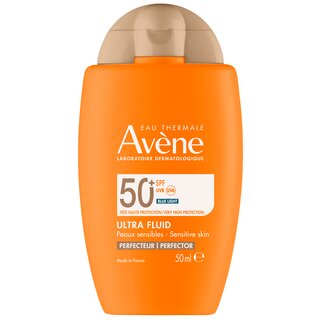

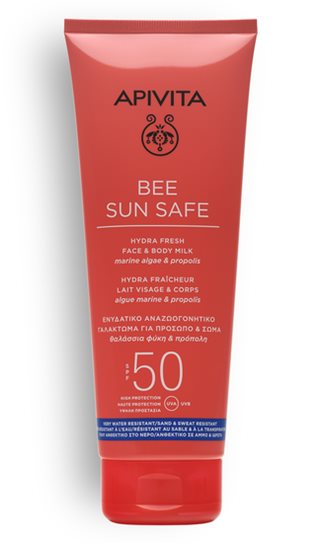


Temporarily Out Of Stock

Temporarily Out Of Stock