


Fortunately, with the right skincare routine, you can do a lot to reduce redness and rosacea during the winter. By restoring the skin barrier, calming the skin, and preventing dryness, you create a protective base that reduces irritation and makes your skin visibly calmer. Below you can read step by step how to do this, with suitable products from the Beauty Plaza assortment.
How to Prevent Redness & Rosacea in Winter: Step-by-Step Approach
Step 1: Gentle Cleansing Start with a Mild Base
Good skincare always starts with cleansing, but it is especially important for sensitive skin. Aggressive, foaming cleansers can strip the skin of its natural oils, weakening the skin barrier. This immediately leads to more redness and sensitivity.
Recommended product:
CeraVe Hydrating Cleansing Cream
This gentle, non-foaming cleanser cleanses the skin without irritating it. Thanks to ceramides and hyaluronic acid, the skin barrier is supported while the skin is thoroughly cleansed. Ideal for rosacea and red, sensitive skin types.
Why it works:
- No perfume or aggressive foaming agents
- Hydrating and soothing
- Maintains the skin barrier intact
Step 2: Choose the Right Serum for Calming and Repair
Serums contain concentrated ingredients that penetrate deep into the skin. For redness and rosacea, niacinamide, Centella Asiatica, and azelaic acid are especially effective and safe.
Option A: Niacinamide for Redness
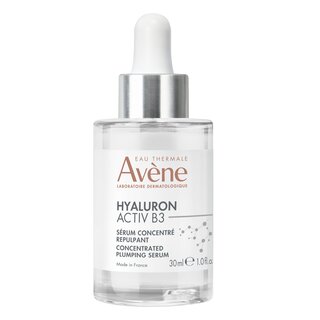
Avène Hyaluron Activ B3 Concentrated Serum
With hyaluronic acid and niacinamide, this serum provides hydration and calming two crucial factors for winter redness.
Benefits:
- Reduces visible redness
- Strengthens the skin barrier
- Suitable for daily use
Option B: Azelaic Acid for Rosacea-Sensitive Skin
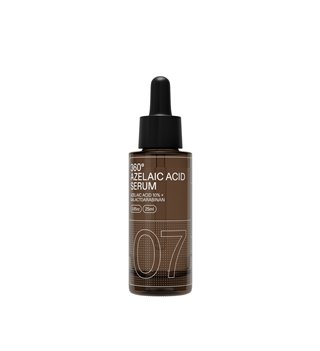
Routinely 360° Azelaic Acid Serum
Azelaic acid is popular among dermatologists because it gently exfoliates, reduces inflammation, and visibly decreases redness. A top choice for rosacea.
Tip: For very sensitive skin, start gradually, for example every other day.
Step 3: Moisturize with a Barrier-Repairing Cream
In winter, you want a cream that protects against wind and cold while strengthening the skin barrier. Rich, ceramide-containing, and soothing creams are essential.
Option A: For deep hydration and comfort
CeraVe Hydrating Cream
A beloved moisturizer for sensitive skin. The combination of ceramides, hyaluronic acid, and a rich cream texture makes it perfect for winter days.
Option B: For sensitive, slightly irritated skin
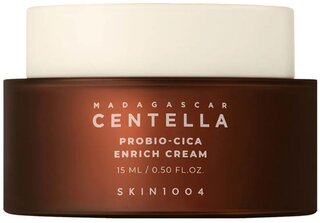
SKIN1004 Madagascar Centella Probio-Cica Enrich Cream
This cream is perfect for skin that becomes quickly red or reactive. Centella Asiatica is known for its soothing and repairing properties.
Option C: Luxury, Anti-Aging & Hydration
La Roche-Posay Hyalu B5 Crème Suractivée
In addition to hydration, this cream strengthens the skin barrier thanks to Vitamin B5. Perfect for people who want to address fine lines along with redness.
Step 4: Extra Protection Against Cold & Wind
Besides indoor care, outdoor protection is just as important. Winter cold and harsh wind are major triggers for redness and rosacea.
Tips: Protect your face with a soft scarf or turtleneck to block these areas. If that’s not possible, use a richer cream as a “cold cream” barrier.
Step 5: SPF Essential Even in Winter
UV radiation is one of the biggest triggers of rosacea. Even on cold, gray days, UVA rays penetrate clouds and glass. A mild, mineral-based SPF is ideal for sensitive skin types.
Preferably choose:
- Mineral filters (zinc oxide, titanium dioxide)
- Fragrance-free SPF
- Lightweight, non-irritating textures
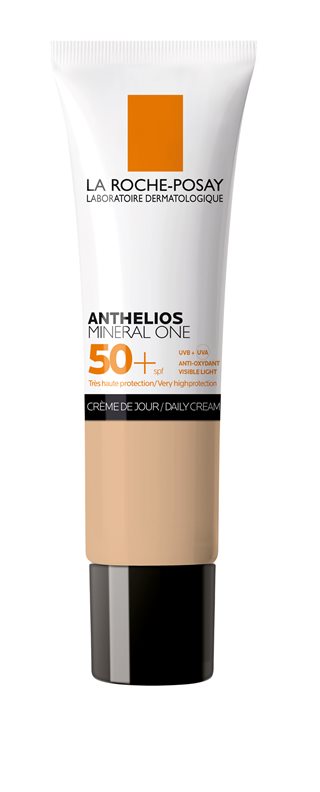
For this, you can use the La Roche-Posay Anthelios Mineral One SPF50+
Tips for a Winter-Proof Lifestyle with Rosacea
In addition to proper skincare, a few small habits can go a long way in reducing redness and rosacea during winter. It is advisable to shower with lukewarm water instead of hot, as hot water can further irritate the skin and worsen redness. Food and drinks can also play a role; alcohol and spicy foods can trigger flare-ups, so avoiding them helps keep your skin calm. Additionally, it is important not to set the heating too high and to ventilate rooms properly, maintaining healthy humidity and preventing skin dryness. Finally, protecting your face from harsh wind, for example by wearing a scarf or turtleneck, can help. These simple lifestyle adjustments support your daily skincare routine and significantly reduce the chance of flare-ups.
Beat Winter Redness with the Right Routine
Redness and rosacea don’t have to ruin your winter. With a gentle cleanser, soothing serum, a strong barrier-repairing cream, and SPF, you can make your skin calmer, more even, and comfortable.
All the products mentioned above from CeraVe, Avène, La Roche-Posay, SKIN1004, and Routinely are available at Beauty Plaza.
Free delivery from €40 and receive a gift ? with every order
Shop the products from the blog

Temporarily Out Of Stock
Temporarily Out Of Stock